Radnor School District seeking 8 propane school buses
The Radnor School District is taking part in an alternative- fuels initiative to replace eight school buses with propane-fueled buses, both to save money over the long term and to substantially reduce air pollution emissions.
The Greater Philadelphia Clean Cities Program initiative seeks to help six eastern Pennsylvania counties obtain 50 propane buses for a four-year period project that will reduce greenhouse gas emissions by 249 tons per year.
In addition to Radnor, the Norristown School District and two private bus contractors that operate bus services for other school districts will take part in the initiative, which is sponsored by the.
GPCCP is a coalition of government organizations, utilities, and non-profit groups dedicated to advancing alternative fuel vehicle (AFV) adoption and sustainable transportation solutions in the region.
The program aggressively promotes alternative fuel vehicle acquisitions and supports public outreach to educate communities, fleet operators, and other stakeholders about the benefits of alternative fuels. Those include natural gas, electricity, propane, biodiesel, ethanol, and hydrogen-powered vehicles in municipal, commercial, and school fleets.
The project is poised to displace 153,239 gallons of diesel per year which equates to 612,956 gallons for the 4 years required for this project. It will reduce Green House Gas emissions by 249 tons per year equating to 996 tons of GHG reduced for the 4 years required by the project and extending that even further to 2,988 tons for the average 12-year life of a school bus. One of the most important statistics for replacing diesel fuel with propane is the reduction in carcinogenic particulate matter.
Propane is a unique fuel where infrastructure is relatively inexpensive. Radnor will utilize a mobile delivery service. This low-cost fueling solution will stimulate the local economies by utilizing local propane dealers to service the buses.
The buses will cost $10,000 each but the Initiative is seeking a 50% subsidy from the Department of Energy or $5,000 per bus. Current estimates are that the buses will pay for themselves in less than one year. The assumption is that if Radnor keeps the vehicles for 12 years, there will be fuel savings of $57,725 per vehicle over the vehicle’s life. Radnor operates 62 buses transporting 4,400 students per year.
GPCCP estimates the project will save $2,886,250 in fuel cost and maintenance at current pricing and assumptions over the next 12 years. This savings will be directly reinvested within the commonwealth by having school districts re-purpose the savings from using a cheaper fuel.
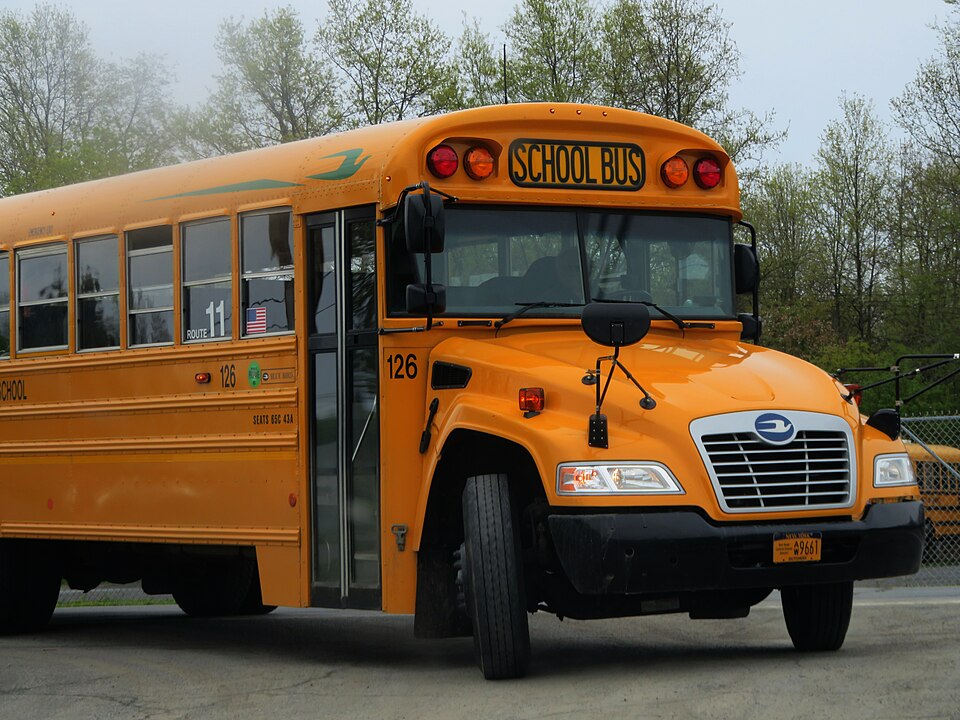
PHOTO/Propane school bus, Wikimedia Commons