How do our local streams measure up in the state’s water quality assessments?
Harrisburg, PA – The Pennsylvania Department of Environmental Protection (DEP) has released the draft Pennsylvania 2026 Integrated Water Quality Monitoring and Assessment report, highlighting 67 miles of streams and 7,105 acres of public lakes restored since 2024. The report, including an interactive story map, serves as the biennial update on the health of streams and lakes statewide and is open for public comment.
The 2026 Integrated Water Quality Monitoring and Assessment report allows users to explore ater quality assessments by county or by lake or stream. The Shapiro Administration is committed to ensuring every Pennsylvanian has access to clean air and clean water. DEP has water quality monitoring stations throughout Pennsylvania that record data year-round to inform DEP’s work to restore waterways that are not meeting water quality standards.
The report was featured at a two-hour hearing by the House Environmental and Natural Resources Committee Monday, Feb. 9 chaired by PA Rep. Vince Vitali (D. Haverford) to hear from Department of Environmental Officials, local officials and water quality experts around the state on the current condition of Pennsylvania’s waterways. Neither the report nor the hearing focuses on Delaware Cunty waterways, but you can look them up on the interactive map included in the report.
DEP submits the Integrated Water Quality Report to the U.S. Environmental Protection Agency and the public every two years, as required by the federal Clean Water Act of 1972. Pennsylvania assesses surface water like rivers and lakes for one or more of five uses — drinking water, fish consumption, aquatic life, recreational, and special protection (new for 2026) — and determines if it is supporting or impaired for that use. A waterway is classified as “impaired” when it is not meeting water quality standards.
Pennsylvania was the first state in the nation to make a completely digital and interactive Integrated Report available to the public to understand the health of their local waters. This year, DEP expanded assessment of waterways, with 10,324 stream miles and 18,860 public lake acres newly assessed or reassessed for a use. The report showcases that 1,099 miles of streams and 35,504 acres of public lakes have been restored since 2004. A color-coded interactive map shows which waterways have been restored for which uses and when. Since reporting began, DEP has assessed 85,174 miles of stream miles and 102,359 acres of lake acres statewide.
The interactive map in the “2024 to 2026 Changes” section makes it easy for Pennsylvanians to see whether their local lake or stream is supporting or impaired and whether this reflects a change in status over the past two years. With one click, users can see the details on which use (or uses) for which the waterway was assessed. If it is impaired, they can see both the cause and the source. New this year, the report features a new water quality trend tool for Pennsylvania where you can get high-level information.
Thanks to stronger partnerships and increased communication with county conservation districts, watershed associations, non-profit organizations, and others DEP saw a three-fold increase in data submissions compared to previous reports. DEP also ensures that all submitted data are evaluated and used in some way. For example, data that cannot be used directly for assessment are incorporated into DEP’s assessment prioritization plans.
DEP welcomes public comment on the report online through the ecomment page or emailed to ecomment@pa.gov, or mailed to the DEP Policy Office, Rachel Carson State Office Building, P.O. Box 2063, Harrisburg, PA 17105. All comments must include the commenter’s name and address.
The deadline for public comment is January 27, 2026.
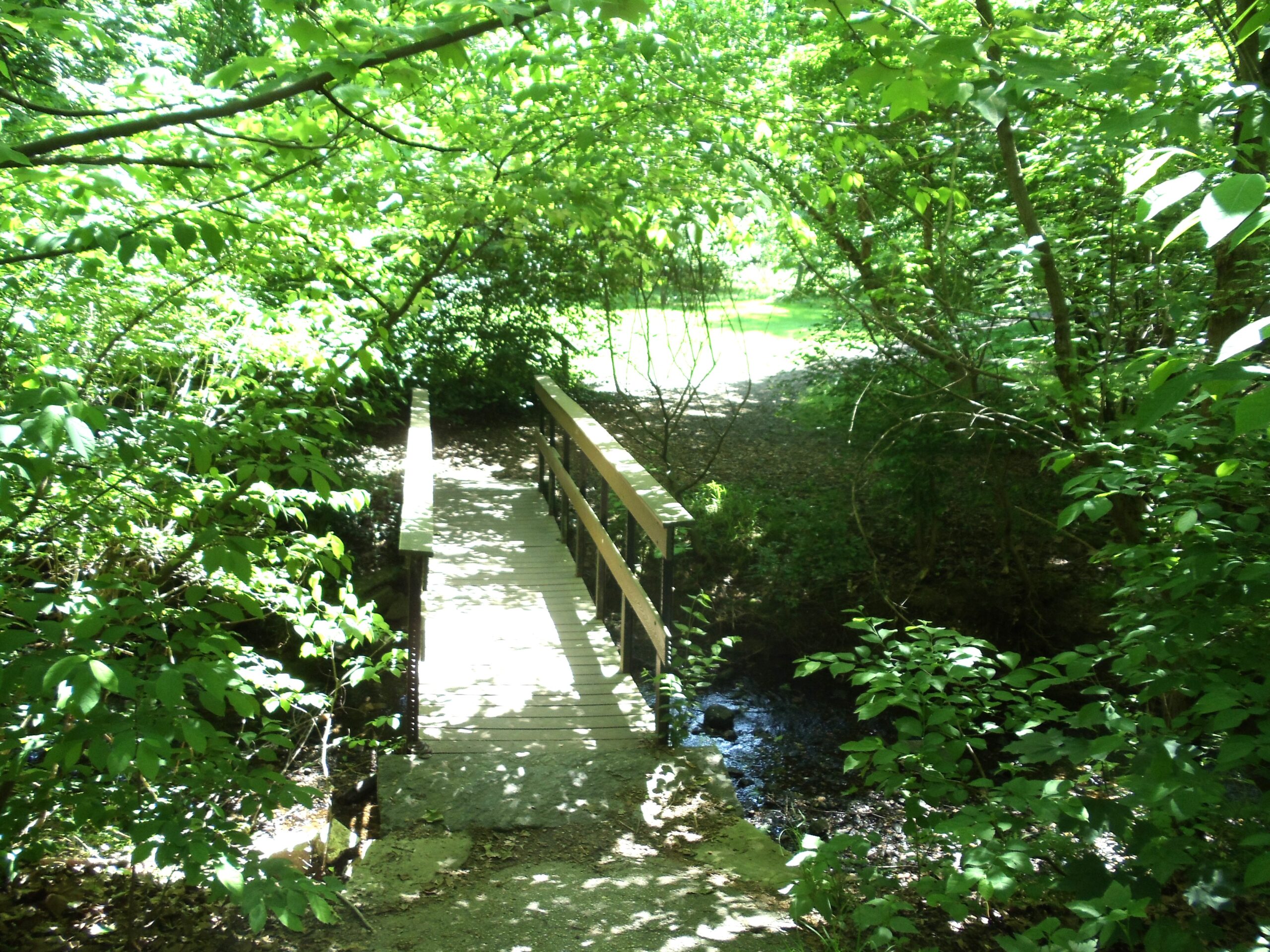
Photo: Crum Creek in Swarthmore/Clearinghouse