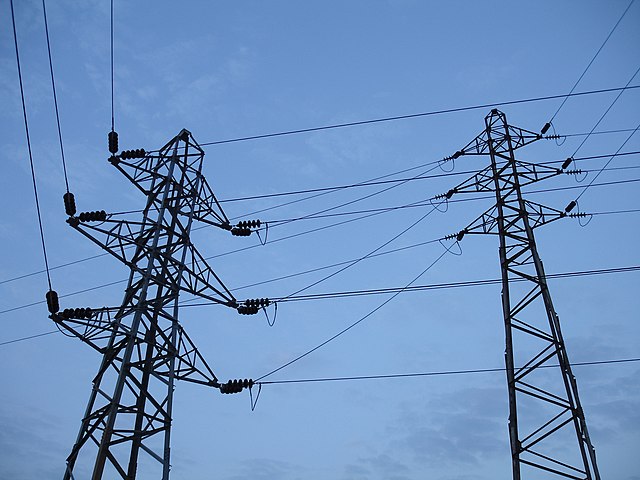
Clean energy versus non-renewables: the fight goes on in Congress and the courts
by Kathryn Krawczyk, Reprinted from Canary Media 12-15-25-
The Trump administration’s anti-renewables policies have left gigawatts’ worth of new solar and wind projects strangled in red tape. So as Congress revisits energy-permitting reform, which it’s tried and failed to pass several times over the past few years, solar companies are taking a stand.
A Dec. 4 letter from 143 of those companies to congressional leaders takes aim at one Trump directive in particular: A July order from the Department of the Interior that requires its head, Doug Burgum, to personally approve every decision the agency makes on renewable energy. In the five months since that change, Burgum hasn’t signed off on any new solar projects on federal lands.
The solar companies are calling for a revocation of the order, equating it to “a nearly complete moratorium on permitting for any project in which the Department of Interior may play a role, on both federal and private land, no matter how minor.”
Blocking new power generation isn’t a great move considering that electricity demand is skyrocketing — a challenge that the Trump administration has elevated into an “energy emergency.”
“Even if the only thing you care about is the price of an electron, this solar ban is creating an electron shortage across the country, and that’s before the ramp-up of data centers and an increased load,” Sen. Brian Schatz (D-Hawaii) said at an event this week.
Schatz is among three Democratic senators who say they’ll fight one of Republicans’ first cracks at permitting reform. The SPEED Act, which would overhaul the National Environmental Policy Act, already passed out of a House committee in late November with support from some Democrats. Further action has stalled amid pushback from far-right lawmakers, who are upset that the bill would bar presidents from revoking already-issued energy project permits.
Schatz, Sen. Martin Heinrich (D-N.M.), and Sen. Sheldon Whitehouse (D-R.I.) have a very different problem with the SPEED Act. Although the bill could hasten energy development by streamlining environmental reviews, the legislators say it should include clearer benefits for renewables and projects that expand the nation’s high-voltage power grid.
“We are committed to streamlining the permitting process — but only if it ensures we can build out transmission and cheap, clean energy,” the senators said in a statement to Heatmap, adding that “the SPEED Act does not meet that standard.” Pushback from those three climate-hawk legislators could be enough to turn other Democrats against the bill and block its passage.
Congress now has two options: Come to a compromise, or add to the many ghosts of permitting negotiations past.
More big energy stories
Judge lifts Trump’s offshore wind ban
Offshore wind has finally caught a break. On Monday, a federal judge ruled that the Trump administration’s freeze on wind-energy project permitting is unlawful, siding with 18 state attorneys general who had challenged the move. Those states argued that the restrictions on wind development impeded their ability to lower both energy bills and planet-warming pollution.
President Donald Trump issued the halt on his first day in office, claiming it was only temporary, pending an Interior Department review of permitting processes. But as a former Interior Department official tells Canary Media’s Clare Fieseler, there’s little evidence that the administration ever launched that evaluation.
- Delayed heating assistance kicks off a winter of energy challenges
- Massachusetts bill would undo climate goals and cut efficiency spending
- NYC’s next mayor Zohran Mamdani has a big climate policy to-do lis
Don’t expect the winds to change right away following the legal win. The Trump administration probably won’t suddenly start green-lighting wind farms as a result of the ruling, and courts haven’t typically forced agencies to issue permits.
Data center pushback reaches a fever pitch
Lawmakers on both sides of the aisle have at least one thing in common: They’re navigating mounting opposition to the build-out of data centers. More than 230 environmental groups this week called for Congress to issue a moratorium on data center construction, saying the facilities are “threatening Americans’ economic, environmental, climate, and water security.”
So far, the demand hasn’t gotten much political support. Even more progressive members of Congress, like Sen. Ed Markey (D-Mass.), wouldn’t endorse a full development moratorium when questioned by E&E News.
Conservatives aren’t immune to the issue. President Trump wants the U.S. to dominate artificial-intelligence advancement, and with more AI comes more data centers. Many of them are being built in rural Midwest and Southeast communities that pretty reliably vote for Republicans, who must now walk the line between promoting the administration’s priorities and those of their constituents.
Go to canarymedia.com, Clean Energy Journalism for a Cooler Tomorrow, to syubscribe to the newsletters and make a donation.
Photo: Wikimedia Public Domain